





Attenzione! I’m calling it early—Hell is Us deserves a crown as one of 2025’s audiovisual champions (cue angelic choir). But before this grim action-adventure could win me over on a gameplay level, I’ll be honest: I nearly dozed off a couple of times.
Hell is Us plays by its own rules. It calls itself an action-adventure but clearly takes cues from classic RPGs like Fallout (hello, Pip-Boy travel system) and Dark Souls (dark fantasy, brutal difficulty). Is that a problem? Only if you’re expecting more than weapon upgrades and leveling from Rogue Factor’s latest creation.
On top of that, the game slams you with a raw civil war narrative while stripping away most conventional gameplay aids. Is that brilliant? Only if you’re not expecting Morrowind-style freedom. The protagonist might seem lost in the marketing, but he’s not as free (or helpless) as advertised.
But none of that is the game’s real issue. The biggest flaw in this enigmatic genre hybrid is how much time the devs spend trying to deprogram modern players. By the time the brooding fun really kicks in, the game’s core audience—veteran gamers—might have already checked out.
Act One: Stellar Setting, Bloated Story
Hell is Us takes place in the bleak, war-torn world of Hadea. Three factions are locked in bloody conflict, but their backstories mostly serve a narrative purpose. The game opens with a tense interrogation straight out of a Cold War nightmare: our protagonist is grilled by a thuggish man-pig hybrid. Who he is or why he’s being questioned remains, quite literally, in the dark.
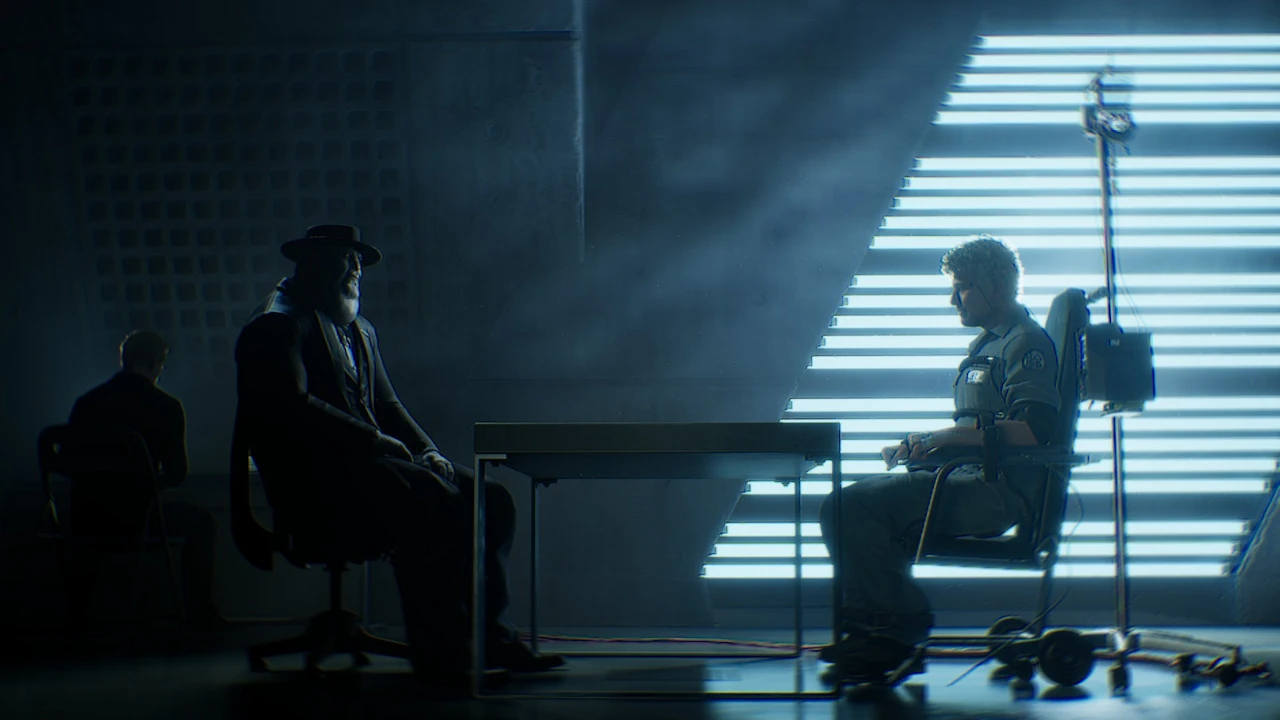
The story unfolds from this interrogation room via flashbacks, which form the core gameplay. In the first six hours, I only learned that the protagonist returned to Hadea searching for his parents. Conversations with NPCs—including a soldier with ruined eyes and a fairy-tale grandpa—mostly fleshed out the world’s lore and the civil war’s details.
This was… mildly engaging. Rogue Factor has built a rich, mysterious universe worth exploring. But by the end of Act One (of two and a half), the story hadn’t given me a real reason to push forward. And since I was already running on fumes during the first day of testing, I found my chin glued to my chest for a solid hour. Not even the harrowing depictions of war could jolt me back.
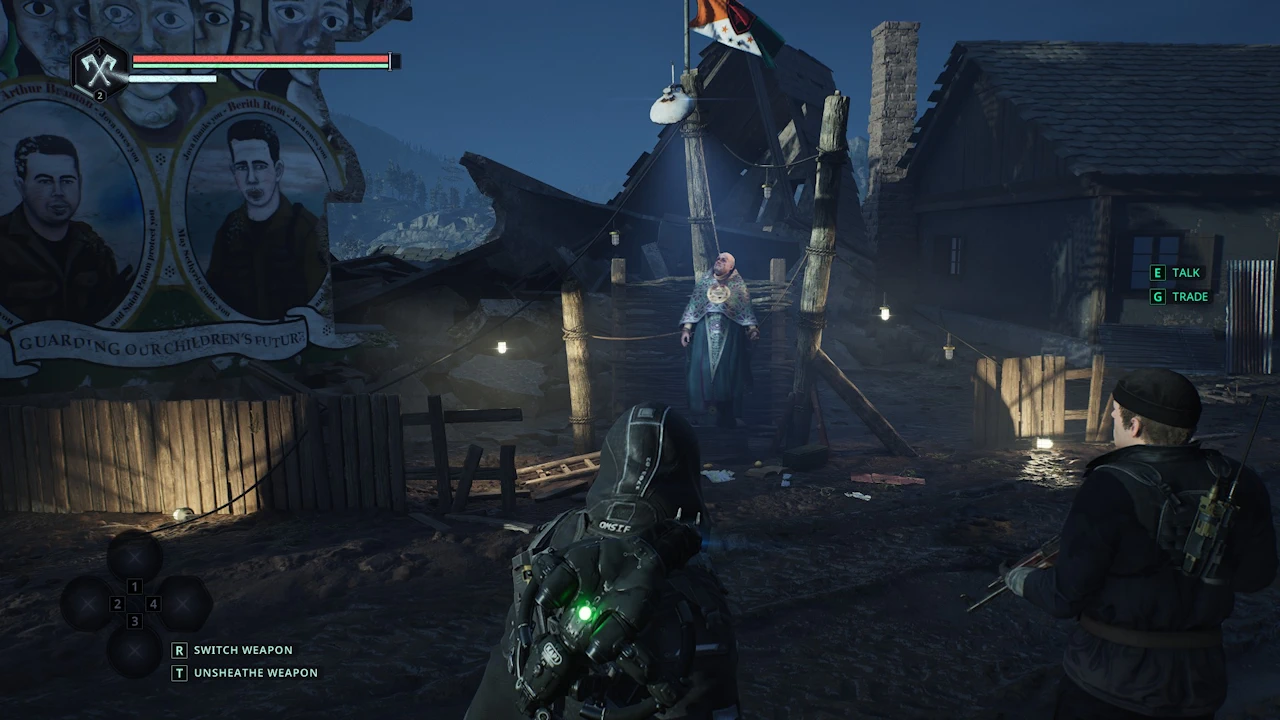
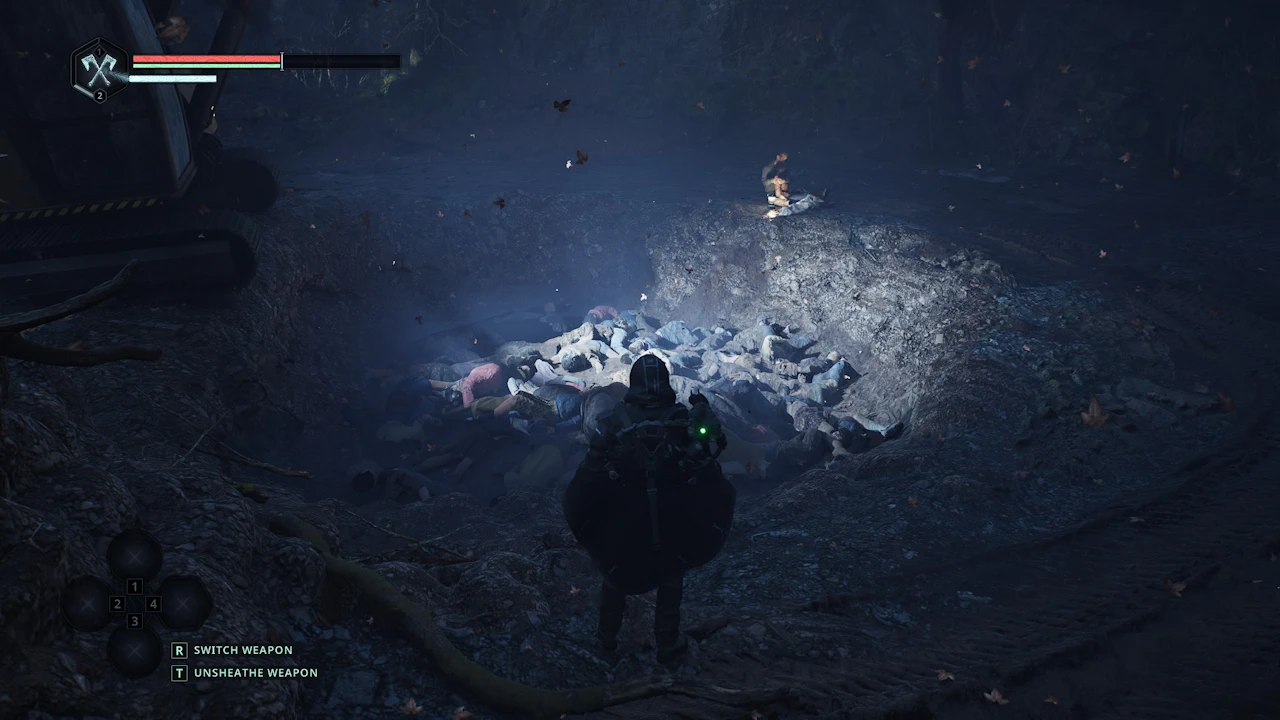
Act Two finally brings some unexpected twists, and I did start to care where the story was headed. Still, I couldn’t shake the feeling that the plot was being stretched thin across the 15- to 20-hour runtime.
Gameplay: Action-Packed, Puzzle-Heavy
The pacing issues carry over into the gameplay, which takes its sweet time showing what it’s made of. Played from a third-person perspective, you spend the opening hours trudging through a linear prologue that—despite claims to the contrary—makes it very clear where to go. Forget arrows; you’re following crossed-out trees and beautifully rendered wind chimes.
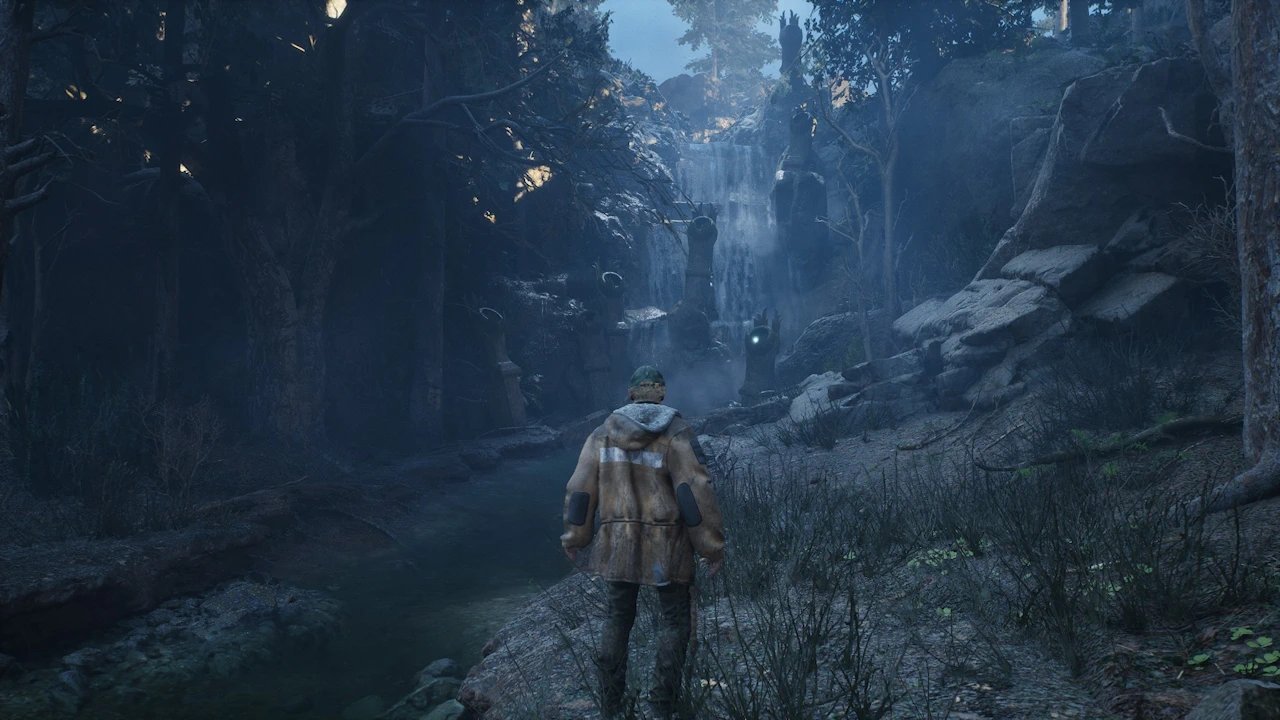
If you can power through the sluggish forest setting, you’ll eventually reach a visually breathtaking semi-open world. The areas are still fairly linear, and it’s annoying that your non-jumping protagonist can’t scale shin-high ledges and instantly drowns in ankle-deep water.
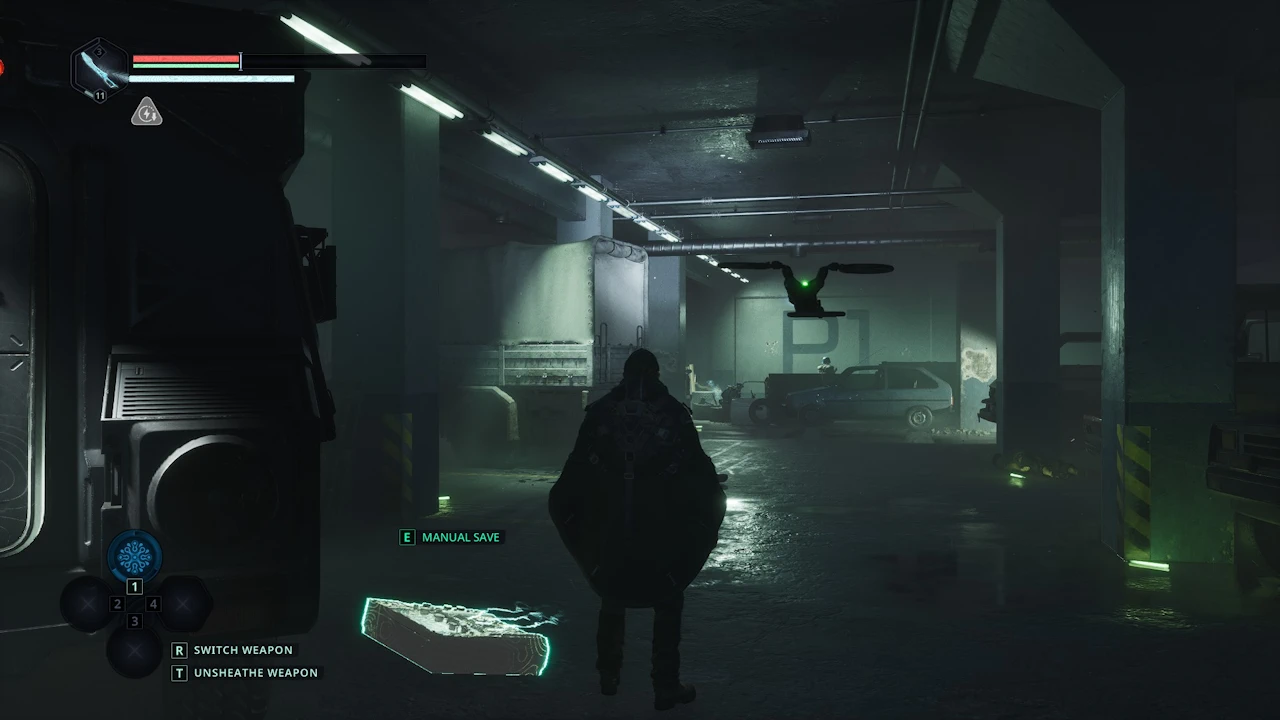
Still, the world begs to be explored. From a varied swamp region to ancient “hellish” dungeons and dreary urban zones, the lighting alone is mesmerizing. And the intricate puzzles? They’re no less ambitious than those in Broken Sword or The Longest Journey.
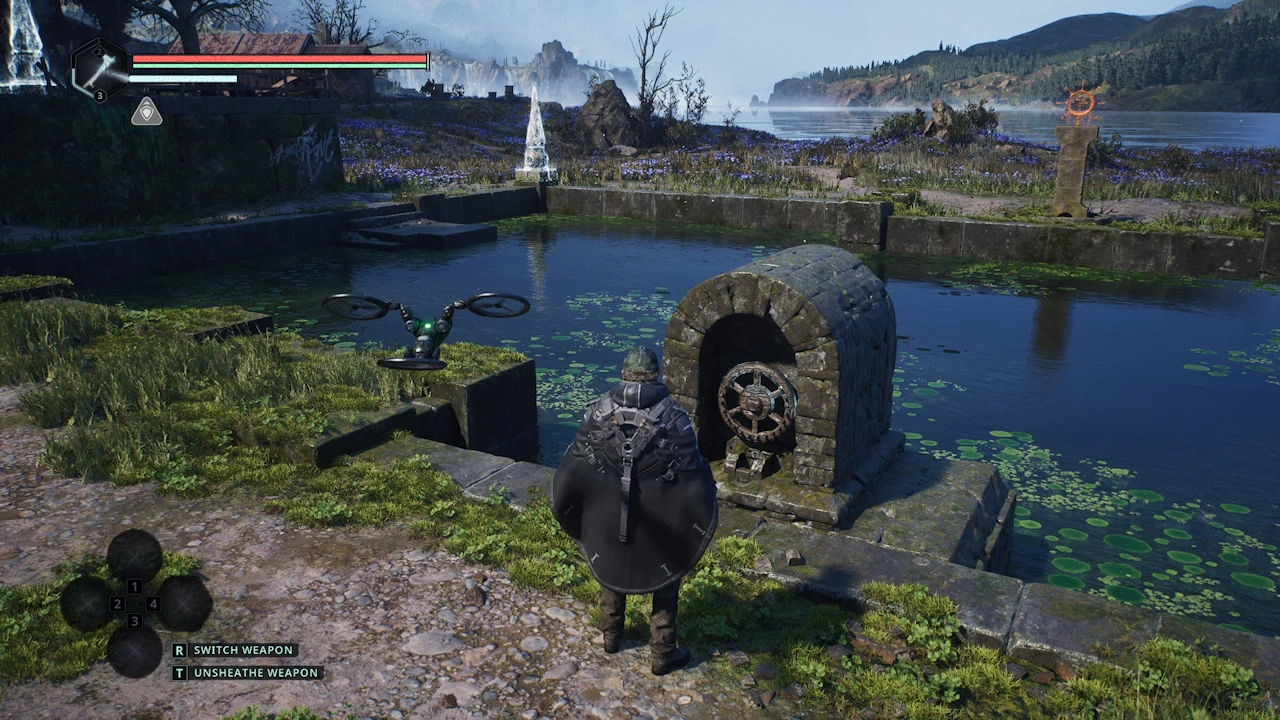
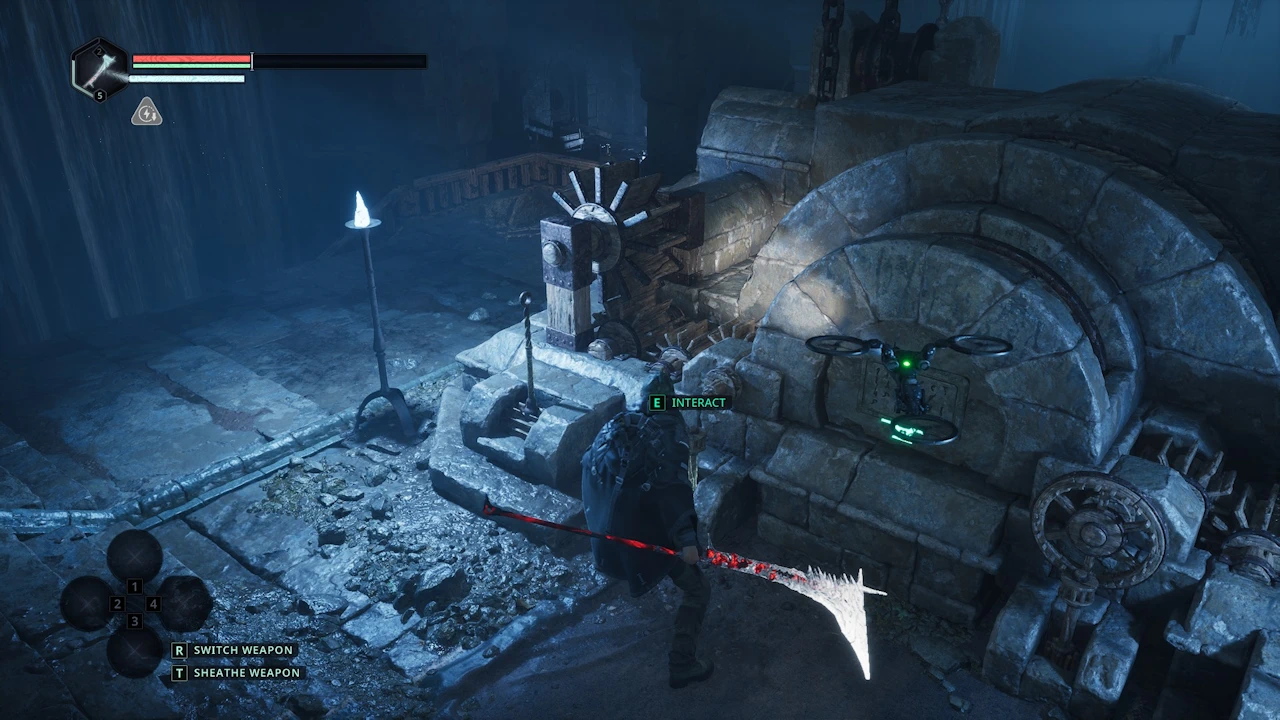
Some puzzles span entire areas and require multiple steps to solve. Thankfully, if you die, you won’t have to start from scratch; manual saves and fair autosaves keep frustration at bay. The game also remembers what items you picked up before faceplanting into the dirt.
| The Travel System That “semi-open world” promise? It’s more Fallout than Skyrim. As you progress, you unlock new maps and can fast-travel between them using a military vehicle called the APC. The vehicle isn’t drivable. Instead, you rotate the camera to different sections—say, a lab for item analysis or a nav screen for choosing your next destination from a small but growing world map. |
Combat: Lock-On or Lose
Combat ramps up, especially in the dungeons, where you’ll face surreal, faceless foes. These enemies spawn from dark, swirling “Timeloop” portals and share a core humanoid design with heavy visual variations. Many teleport during fights, making them tricky to hit.
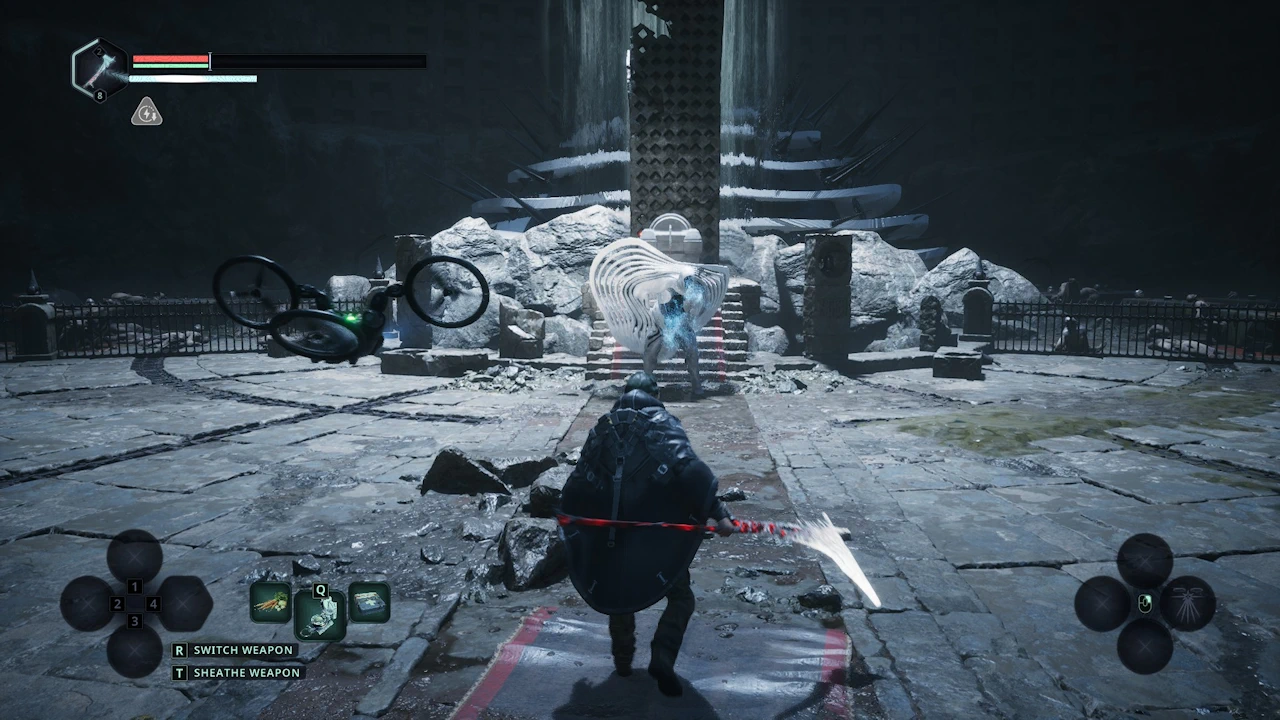
Combat plays out in real-time with a heavy hack-and-slash feel. Locking onto targets is crucial! Try to freestyle it, and your hero swings wildly at nothing. I tried. It doesn’t work.
Enemies often attack in groups and can’t just be button-mashed into oblivion. That’s where your companion drone comes in. It follows you from early on and, thanks to collectible modules, can distract enemies or assist in other ways.


The controls can feel a bit clunky with mouse and keyboard, but combat packs a serious punch. Especially in the midgame, it becomes genuinely fun. Difficulty comes in three flavors, and even the easiest isn’t exactly a cakewalk. That said, I never felt overwhelmed or frustrated.
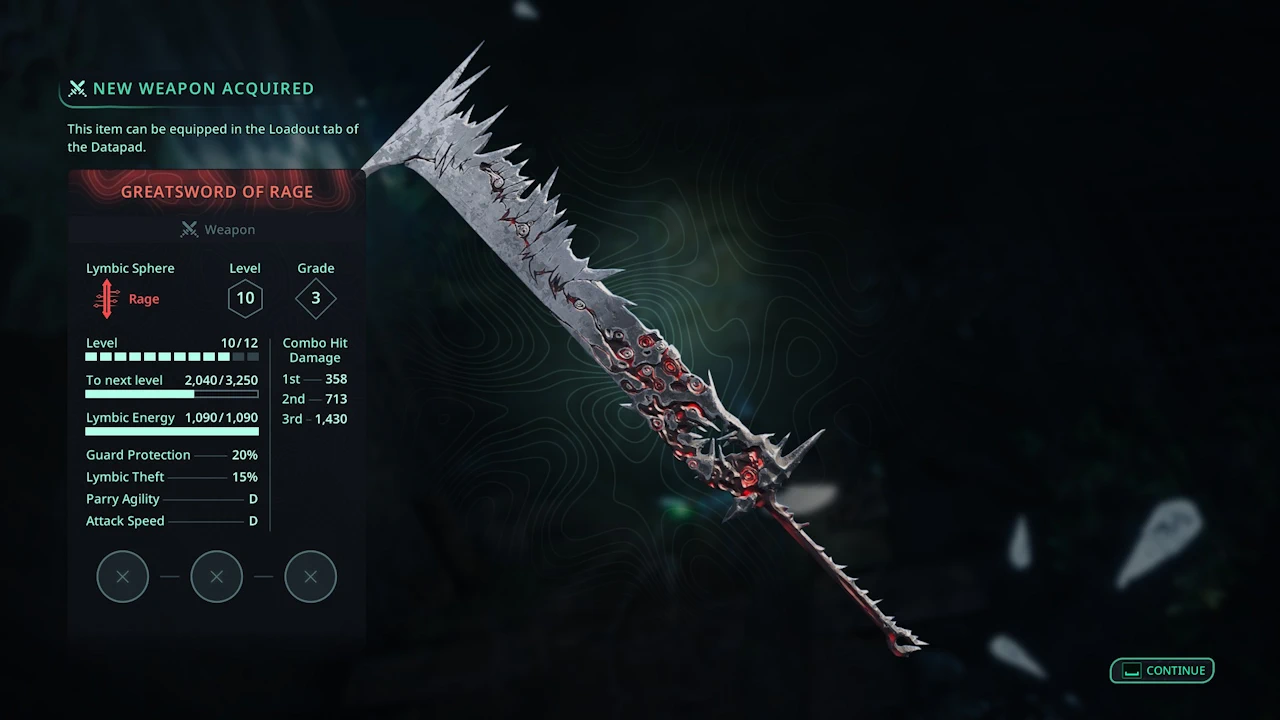
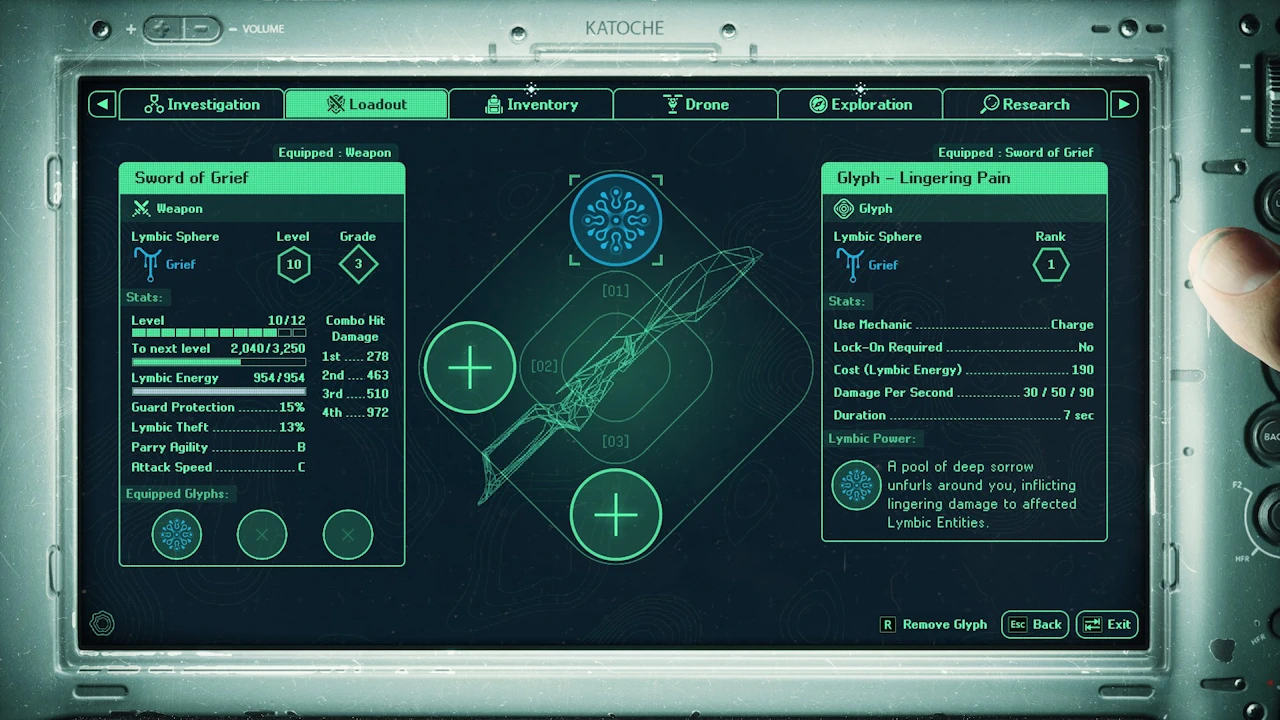
Weapons—ranging from twin axes to giant swords and scythes—can be upgraded at a blacksmith. Each has up to three glyph slots that add special damage, while consumables mostly boost resistances. Both are scattered throughout the world and reward keen eyes with stronger effects.
Verdict: A Playable Work of Art That Needs Time to Bloom
If you’re not put off by a slow start and are patient enough to wait for the old-school design to shine through, Hell is Us could absolutely be your kind of game. Just don’t shy away from puzzles—they’re the true soul of Rogue Factor’s vision.
At 50 dollars, the PC version is a steal considering the artistic value on display. Six DLCs are already planned (mostly cosmetic). And if you’re willing to fork over 70 dollars for the Advanced Access version, you’ll get to play on September 1; three days ahead of the standard release.

0 comments
No comments yet. Start the discussion.
Create an account to comment
Sign in or create a free Guided account to join the discussion.